Knee Surgery in Bethlehem & the Lehigh Valley
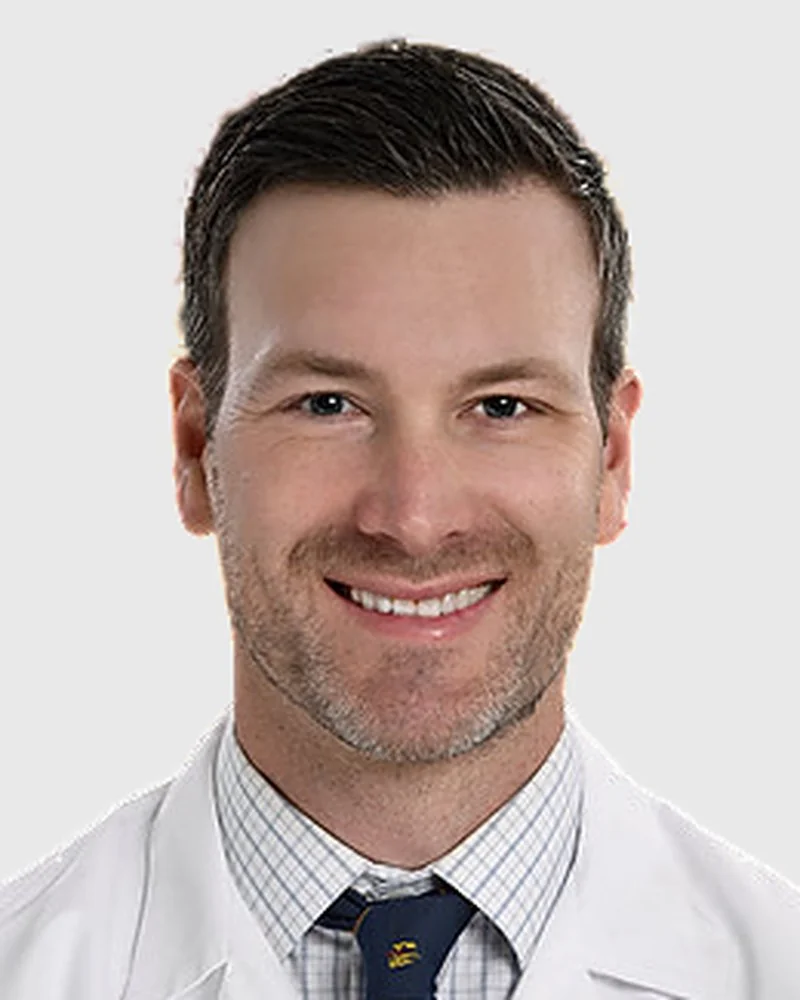
A torn meniscus, a cartilage defect, or an unstable kneecap can limit what the knee can do. Dr. Michael Hendel, MD, PhD treats the full range of sports and degenerative knee conditions with a joint-preservation philosophy learned at Hospital for Special Surgery: protect the meniscus, restore the cartilage, and keep your native knee healthy for as long as possible.
Conditions & Procedures
- Meniscus tears — arthroscopic repair whenever the tear pattern allows (preserving the shock absorber), partial meniscectomy when it does not, and root repair for posterior root tears
- Cartilage damage — osteochondral autograft transfer (OATS), MACI cell-based restoration, and microfracture for focal defects in younger, active patients
- Patellar instability — MPFL reconstruction and realignment for recurring kneecap dislocation
- Complex ligament injuries — PCL and multi-ligament reconstruction, including his published book chapter on the multi-ligament injured knee
- Knee arthroscopy — loose bodies, debridement, and mechanical symptoms
- Non-operative care — image-guided injections, PRP, bracing, and structured physical therapy always come first when appropriate
Explore the dedicated pages on meniscus tear treatment and cartilage restoration (OATS & MACI) for deeper detail on each procedure — and if a ligament injury accompanies your knee problem, review the ACL recovery timeline. Parents can also read the parent’s guide to youth sports injuries.
Every surgical patient receives a written, milestone-based rehabilitation protocol from Dr. Hendel’s library of over 100 procedure-specific plans, so you and your physical therapist always know exactly where you are and what comes next.