Shoulder Dislocation & Instability Care in Bethlehem & the Lehigh Valley
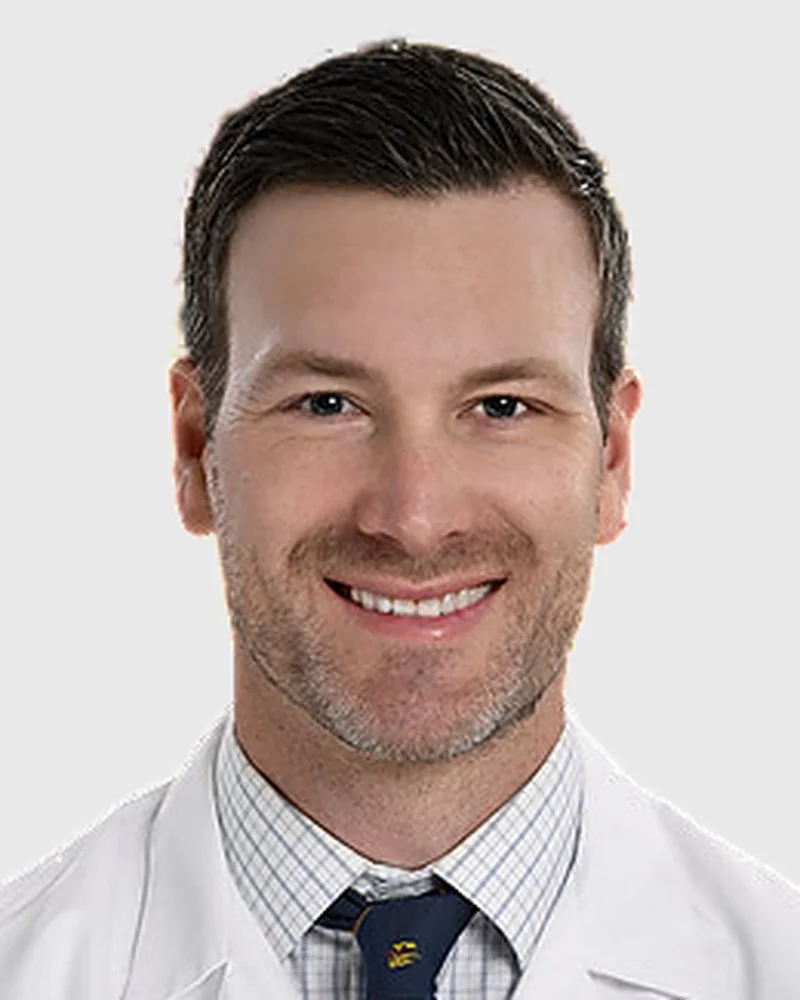
The shoulder is the most mobile joint in the body — and the most commonly dislocated. When the ball slips partly (subluxation) or completely (dislocation) out of the socket, it can tear the labrum, stretch the capsule, and in some cases wear away bone. Dr. Michael Hendel, MD, PhD evaluates and treats shoulder dislocations, labral tears, and recurrent shoulder instability for athletes and active adults across Bethlehem, Allentown, Easton, and the greater Lehigh Valley. He completed both his residency and sports medicine fellowship at Hospital for Special Surgery.
Dr. Hendel manages shoulder injuries throughout the year as team physician for the Reading Royals (ECHL professional hockey), the Lehigh Valley IronPigs (Triple-A baseball), PIAA District XI football, and PIAA state wrestling — settings where dislocations and labral injuries are among the most frequent problems he sees. He previously served as an assistant team physician for the New York Giants (NFL).
Conditions Treated
- First-time and recurrent anterior shoulder dislocation — the ball slipping out the front of the socket, the most common pattern
- Posterior instability — less common, often seen in football linemen, weightlifters, and after seizures
- Bankart tears — tears of the front-lower labrum that typically accompany anterior dislocation
- Bony Bankart lesions and glenoid bone loss — fracture or gradual erosion of the socket rim from repeated dislocations
- SLAP tears — tears of the upper labrum at the biceps anchor, common in throwing and overhead athletes
- Multidirectional instability (MDI) — generalized looseness of the shoulder in more than one direction, often without a single traumatic injury
Nonoperative Care Comes First
Many unstable shoulders do not need surgery. After a first dislocation — and in nearly all cases of multidirectional instability — treatment usually begins with a short period of sling immobilization, activity modification, and a structured physical therapy program focused on rotator cuff and scapular (shoulder blade) strengthening. For MDI in particular, a genuine, sustained course of rehabilitation is the primary treatment, and surgery is reserved for patients who remain significantly limited despite it.
Surgery becomes a stronger consideration when dislocations recur, when imaging shows a significant labral tear or bone loss, and in younger athletes in contact or overhead sports — the group with the highest published risk of repeat dislocation. Each additional dislocation can enlarge the injury, so the decision is individualized: Dr. Hendel reviews your examination and imaging with you and explains both paths, including what each realistically involves.
Arthroscopic Bankart Repair
When the labrum is torn and bone loss is minimal, arthroscopic Bankart repair is the most common stabilizing operation. Working through small incisions with a camera, Dr. Hendel reattaches the torn labrum to the rim of the socket using small suture anchors and re-tensions the stretched capsule. This restores the “bumper” that deepens the socket and the checkrein effect of the ligaments. The procedure is typically outpatient, performed at St. Luke’s Orthopedic Hospital — West End Campus in Allentown.
Latarjet Procedure for Bone Loss
Repeated dislocations can wear away the front of the socket (glenoid bone loss) or leave a divot in the back of the ball (a Hill-Sachs lesion). When bone loss passes certain thresholds, a soft-tissue repair alone has a meaningfully higher chance of failing. In these situations Dr. Hendel may recommend the Latarjet procedure, which transfers the coracoid — a small piece of bone from the front of the shoulder blade, with its attached tendon — to the deficient socket rim. The transferred bone restores the socket’s width, and the tendon adds a dynamic sling of support. Latarjet is also commonly used after a failed prior Bankart repair and in selected collision athletes.
The choice between Bankart repair and Latarjet is driven by objective measurements of bone loss on CT or MRI, your dislocation history, and your sport — not by a one-size-fits-all preference.
Return to Sport
Return to play after stabilization surgery is based on milestones, not the calendar alone. Typical criteria include full, pain-free range of motion; strength comparable to the opposite shoulder; no apprehension on examination; and completion of sport-specific training. For most athletes this falls in the range of 5 to 7 months after arthroscopic Bankart repair, with contact and collision sports at the later end; timelines after Latarjet also depend on confirmation of bone healing on imaging. Overhead athletes such as pitchers often require a longer, graduated throwing progression. Your individual timeline may differ based on your injury pattern, procedure, and rehabilitation progress.
Please note: This information is educational and does not replace an evaluation by a physician.