Rotator Cuff Repair in Bethlehem & the Lehigh Valley
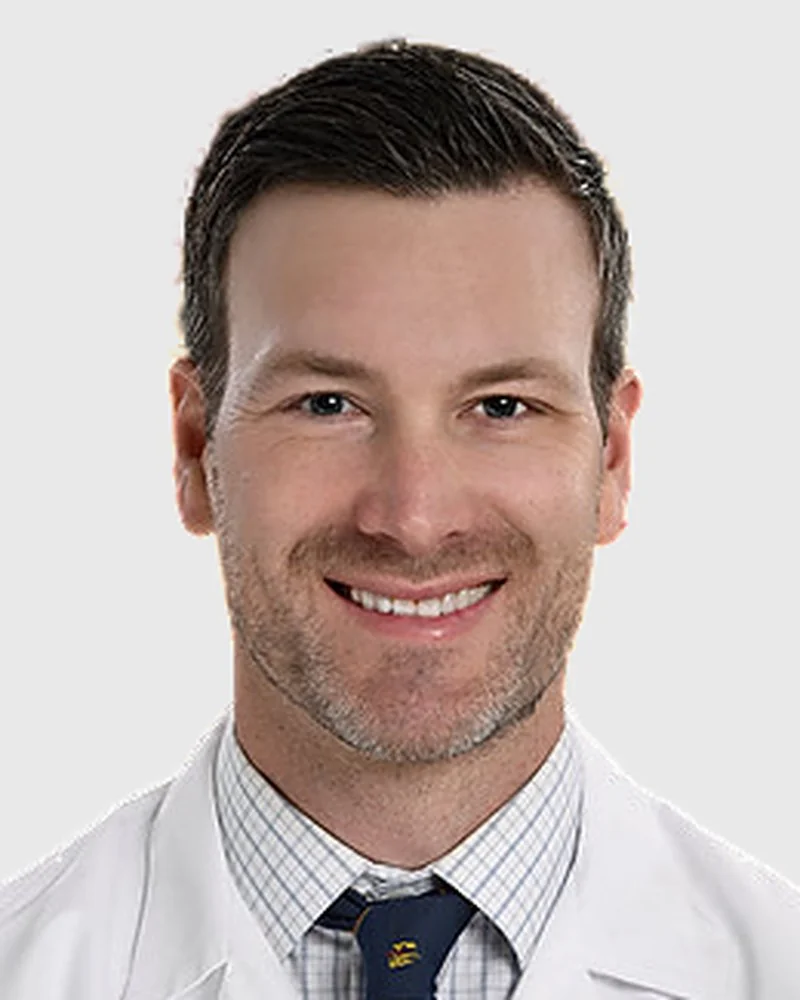
Night pain, weakness with overhead activity, and a persistent ache are typical features of rotator cuff disease, one of the most common reasons adults see a shoulder surgeon. Dr. Michael Hendel, MD, PhD completed a dedicated Sports Medicine & Shoulder Surgery fellowship at Hospital for Special Surgery, and is a published author on the management of rotator cuff injuries in elite athletes (Current Reviews in Musculoskeletal Medicine).
He treats the full spectrum — from inflamed, intact cuffs that need only structured therapy or an image-guided injection, to full-thickness and massive retracted tears requiring arthroscopic repair or, in selected irreparable tears, superior capsular reconstruction. Care is delivered close to home, with an office in Bethlehem and surgery at St. Luke’s dedicated orthopedic hospital in Allentown.
Conservative Care First; Surgery When Indicated
Many partial tears and impingement cases improve without an operation. Dr. Hendel starts with the least invasive path that fits your tear pattern: activity modification, targeted physical therapy, anti-inflammatory treatment, and injections. When a full-thickness tear, failed conservative care, or significant weakness calls for surgery, repairs are performed arthroscopically through small incisions using modern suture-anchor techniques.
- Arthroscopic rotator cuff repair (single- and double-row)
- Massive tear repair and superior capsular reconstruction
- Biceps tenodesis and subacromial decompression, when contributing to pain
- Reverse shoulder replacement for irreparable tears with arthritis
Not every painful shoulder is a cuff problem: Dr. Hendel also treats shoulder instability and labral tears, which can accompany or mimic rotator cuff injuries in active patients.
Re-tear is possible, more often with large tears and in older patients; following the rehabilitation protocol lowers the risk.
For what to expect after repair, see the shoulder surgery recovery guide.